Exploring the world of home automation systems and their insurance can be both fascinating and crucial. Let's delve into the realm of smart homes and the importance of protecting them with the right insurance coverage.
In this guide, we will uncover the risks, benefits, and factors to consider when choosing insurance for your home automation setup. Stay tuned for valuable insights and tips to ensure your smart home is adequately protected.
Understanding Home Automation Systems
Home automation systems refer to the integration of technology and devices within a home to automate tasks and functions, providing homeowners with increased control, convenience, efficiency, and security.
Popular Components in Home Automation Systems
- Smart thermostats: Allow for remote control and scheduling of heating and cooling systems.
- Smart lighting: Enables control of lights through a smartphone or voice commands for energy savings and convenience.
- Smart security cameras: Provide real-time monitoring and alerts for enhanced home security.
- Smart door locks: Allow for keyless entry and remote access control for added convenience and security.
Benefits of Integrating Home Automation Systems
- Convenience: Automation of tasks such as adjusting temperature, turning on/off lights, and locking doors with a simple command or preset schedule.
- Energy efficiency: Monitoring and controlling energy usage through smart devices for cost savings and environmental impact reduction.
- Security: Real-time monitoring, alerts, and remote access to security cameras and locks for enhanced safety and peace of mind.
- Customization: Personalization of settings and preferences to suit individual needs and lifestyle for a more comfortable living environment.
Importance of Insurance for Home Automation Systems
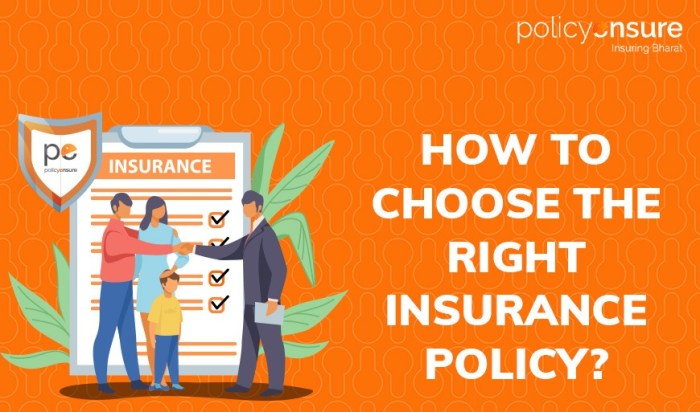
Home automation systems are becoming increasingly popular for their convenience and efficiency in managing household tasks. However, along with the benefits come certain risks that homeowners need to be aware of.
Risks Associated with Home Automation Systems
One of the main risks of home automation systems is the potential for cyber-attacks. Hackers can gain access to your system, compromising sensitive information or even gaining control of your home's devices. Additionally, system malfunctions or technical glitches can lead to damage to your property or appliances.
Why Insurance for Home Automation Systems is Essential
- Insurance for home automation systems provides financial protection in case of cyber-attacks or system malfunctions that result in damage to your property.
- It can cover the cost of repairing or replacing damaged devices or appliances connected to the home automation system.
- Insurance can also help cover any liability in case someone is injured due to a malfunction of the home automation system.
Types of Damages Covered by Insurance for Home Automation Systems
- Damage to property caused by cyber-attacks or system malfunctions.
- Replacement or repair costs for devices or appliances connected to the home automation system.
- Liability coverage for injuries or accidents resulting from system malfunctions.
Factors to Consider When Choosing Insurance
When selecting insurance for home automation systems, there are several key factors to consider to ensure adequate coverage and protection for your smart home setup.
Comparison of Different Insurance Policies
- Compare coverage options: Look at the types of risks covered by each policy and choose one that aligns with the specific needs of your home automation system.
- Consider the cost: Compare premiums and deductibles across different policies to determine the most cost-effective option without compromising on coverage.
- Review the claims process: Evaluate the ease and efficiency of filing claims with each insurance provider to ensure a smooth experience in case of emergencies.
- Check for exclusions: Pay attention to any exclusions or limitations in the policy that may affect coverage for certain home automation devices or scenarios.
Evaluating Coverage Needs Based on Home Automation Setup
- Assess the value of your smart devices: Take an inventory of all the home automation devices in your system and determine their total value to ensure adequate coverage.
- Consider potential risks: Identify potential risks such as cyber threats, equipment malfunctions, or accidental damages, and choose a policy that provides comprehensive coverage for these risks.
- Customize coverage: Some insurance providers offer customizable policies that allow you to tailor coverage based on the specific features and risks of your home automation setup.
- Consult with an insurance agent: Seek guidance from an insurance agent or expert in home automation insurance to help you navigate through the policy options and select the most suitable coverage for your needs.
Customizing Insurance Coverage
When it comes to insuring your home automation systems, one size does not fit all. Customizing insurance coverage allows you to tailor your policy to meet the unique needs of your specific automation setup.
Tailoring Coverage to Fit Your Needs
- Consider the specific components of your home automation system and their value. Customizing coverage can ensure that high-value items like smart appliances, security cameras, and control panels are adequately protected.
- Assess the potential risks associated with your automation setup. For example, if you have a smart thermostat that controls your heating and cooling systems, you may want coverage for equipment breakdown or malfunctions.
- Think about any additional features or upgrades you have made to your automation system. Customizing your insurance policy can account for these enhancements and provide coverage for any associated risks.
Examples of Customized Coverage Scenarios
- If you have a home automation system that includes a sophisticated surveillance system to protect your property, you may need coverage for theft or vandalism specifically related to these devices.
- In the event of a power surge damaging your smart home devices, customized coverage can help cover the cost of repairs or replacements.
- If you rely heavily on your automation system for security purposes, customized coverage can provide protection in case of a cyber-attack or data breach.
End of Discussion
As we conclude our discussion on choosing the right insurance for home automation systems, remember that safeguarding your smart home is a proactive step towards securing your investment. With the right coverage in place, you can enjoy the convenience of technology without worrying about potential risks.
Answers to Common Questions
What are the key factors to consider when selecting insurance for home automation systems?
Factors to consider include the extent of coverage needed, the value of your automation system, and any specific risks associated with your setup.
Can insurance for home automation systems cover damages caused by cyber attacks?
Yes, some insurance policies can provide coverage for damages resulting from cyber attacks on your home automation system.
Is it possible to customize insurance coverage for home automation systems?
Yes, many insurance providers offer options to tailor coverage based on the unique needs of your home automation setup.