How Electronic Health Records Are Changing Patient Care sets the stage for this enthralling narrative, offering readers a glimpse into a story that is rich in detail and brimming with originality from the outset.
In this exploration, we will delve into the transformative impact of electronic health records on patient care, looking at key aspects such as accessibility, efficiency, data security, privacy, interoperability, and communication.
Impact on Patient Care
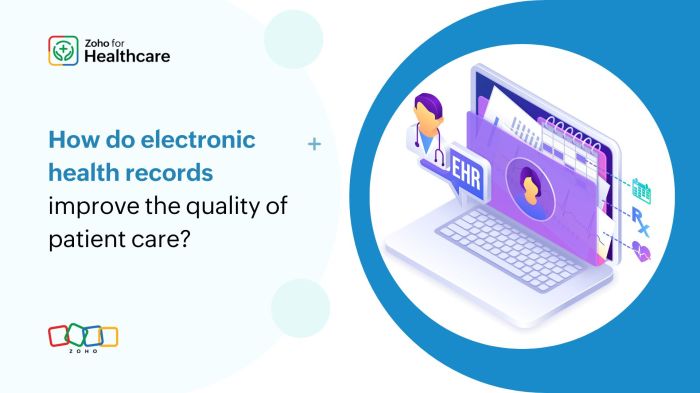
Electronic health records (EHRs) have revolutionized patient care by streamlining access to critical medical information, improving communication among healthcare providers, and enhancing overall clinical decision-making. These digital records have significantly impacted patient outcomes and safety in various ways.
Improved Coordination of Care
- Electronic health records allow different healthcare professionals involved in a patient's care to access and update information in real-time, leading to improved coordination and continuity of care.
- By having a centralized platform for medical records, EHRs reduce the chances of duplication of tests, medication errors, and unnecessary procedures, ultimately enhancing the quality of care provided to patients.
Enhanced Patient Outcomes
- Through the use of electronic health records, healthcare providers can easily track and monitor patient progress, identify trends, and personalize treatment plans based on individual health data.
- Access to comprehensive patient information in EHRs allows for timely interventions, preventive care measures, and early detection of potential health issues, leading to improved health outcomes for patients.
Promotion of Patient Safety
- Electronic health records help in reducing medical errors by providing alerts for potential drug interactions, allergies, or conflicting treatments, ensuring safer prescribing practices.
- By maintaining accurate and up-to-date records, EHRs contribute to better medication management, proper documentation of procedures, and adherence to evidence-based guidelines, all of which enhance patient safety.
Accessibility and Efficiency
Electronic health records (EHRs) have revolutionized the way patient information is accessed and managed, leading to significant improvements in both accessibility and efficiency within healthcare systems.
Increased Accessibility
- EHRs allow healthcare providers to access patient records instantly from any location with secure internet access, eliminating the need for physical storage and enabling quick retrieval of critical information.
- Patients also benefit from increased accessibility as they can easily access their own health records online, track their medical history, and communicate with their healthcare providers more effectively.
Enhanced Efficiency
- Compared to traditional paper-based systems, EHRs streamline workflows by reducing time spent on manual record-keeping tasks such as filing, searching for files, and transcribing handwritten notes.
- Integration of electronic health records with other systems like billing and scheduling software further enhances efficiency by automating processes and reducing errors associated with manual data entry.
Time-Saving Features
- Electronic prescribing (e-prescribing) features in EHRs enable healthcare providers to send prescriptions directly to pharmacies, eliminating the need for paper prescriptions and reducing medication errors.
- Automated alerts and reminders within EHR systems help healthcare providers stay updated on patient appointments, preventive care measures, and medication refills, improving patient outcomes and adherence to treatment plans.
Data Security and Privacy
Ensuring data security and privacy in electronic health records is paramount to maintaining patient trust and confidentiality.
Importance of Data Security
- Electronic health records contain sensitive information such as medical history, diagnoses, treatments, and personal details that must be protected from unauthorized access.
- Unauthorized access to patient data can lead to identity theft, insurance fraud, medical errors, and breaches of confidentiality.
- Data security measures help prevent cyberattacks, data breaches, and unauthorized disclosures of sensitive health information.
Maintaining Patient Privacy
- Access to electronic health records is restricted to authorized healthcare providers who require the information to provide care to the patient.
- Patients have the right to control who can access their health information and can request restrictions on how their data is used and shared.
- Healthcare organizations are required to follow strict privacy regulations such as HIPAA to safeguard patient privacy and prevent unauthorized disclosures.
Confidentiality Measures
- Encryption techniques are used to secure data transmission and storage, ensuring that patient information is protected from interception by unauthorized parties.
- Access controls, such as unique user IDs, passwords, and role-based permissions, help limit access to patient data to authorized personnel only.
- Regular security audits, training programs, and risk assessments are conducted to identify and address vulnerabilities in electronic health record systems.
Interoperability and Communication
Electronic health records play a crucial role in facilitating communication among healthcare providers, ensuring that patient information is easily accessible and up-to-date. This seamless exchange of data is made possible through the concept of interoperability, which is the ability of different systems and organizations to work together effectively.
Significance of Interoperability in Patient Care
Interoperability is significant in patient care as it allows for a comprehensive view of a patient's medical history, test results, medications, and treatment plans across various healthcare settings. This ensures that all healthcare providers involved in a patient's care are well-informed and can make informed decisions quickly and efficiently.
- Improved Coordination of Care: Interoperable electronic health records enable healthcare providers to share real-time information, leading to better coordination of care. For example, a primary care physician can easily access specialist reports, laboratory results, and medication lists, resulting in more effective treatment plans.
- Reduced Medical Errors: With interoperable systems, there is a reduced risk of errors such as duplicate tests, conflicting medications, or incomplete medical histories. This ultimately leads to improved patient safety and outcomes.
- Enhanced Patient Engagement: Patients can also benefit from interoperable electronic health records by having access to their own medical information, allowing them to actively participate in their care decisions and communicate effectively with their healthcare providers.
Outcome Summary
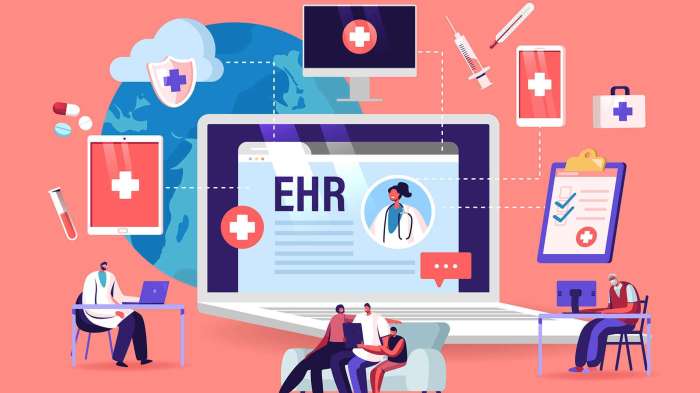
In conclusion, the evolution of electronic health records is revolutionizing patient care by providing a more streamlined, secure, and interconnected healthcare system. As technology continues to advance, the future of patient care looks promising with electronic health records at the forefront of innovation.
Helpful Answers
How are electronic health records improving patient care?
Electronic health records improve patient care by allowing healthcare providers to access comprehensive patient information quickly, leading to better decision-making and coordination of care.
How do electronic health records maintain patient privacy?
Electronic health records maintain patient privacy through secure login systems, encryption of data, and strict access controls to ensure that only authorized personnel can view sensitive information.
What is the significance of interoperability in patient care?
Interoperability in electronic health records ensures that different healthcare providers can seamlessly share and access patient information, leading to improved coordination of care and better health outcomes.