Kicking off with The Role of AI in Modern Health Information Systems, this topic delves into the transformative impact of artificial intelligence on managing health data in today's healthcare landscape. From enhancing decision-making processes to improving patient care, AI plays a crucial role in reshaping health information systems.
As we explore the various facets of AI in healthcare, we uncover the significance of leveraging cutting-edge technology to optimize patient outcomes and streamline healthcare operations.
Importance of AI in Health Information Systems
AI has played a crucial role in revolutionizing healthcare information systems by enhancing efficiency, accuracy, and decision-making processes. It has transformed the way health data is managed and utilized, leading to improved patient outcomes and healthcare delivery.
Enhanced Diagnostics and Treatment Planning
AI algorithms are being used to analyze complex medical data, such as images, genetic information, and patient records, to assist healthcare providers in making accurate diagnoses and creating personalized treatment plans. For example, AI-powered tools can detect early signs of diseases like cancer from medical scans with high accuracy, allowing for timely intervention and treatment.
Predictive Analytics for Better Healthcare Management
AI enables healthcare organizations to leverage predictive analytics to forecast patient outcomes, resource needs, and disease trends. By analyzing vast amounts of data, AI can help identify high-risk patients, optimize hospital operations, and allocate resources effectively. This proactive approach improves patient care, reduces costs, and enhances overall healthcare efficiency.
Streamlined Administrative Processes
AI technologies can automate administrative tasks such as appointment scheduling, billing, and coding, freeing up healthcare professionals to focus more on patient care. By reducing manual errors and streamlining workflows, AI enhances operational efficiency and ensures that administrative tasks are completed accurately and in a timely manner.
Continuous Learning and Improvement
AI systems have the capability to continuously learn from new data inputs and feedback, allowing them to adapt and improve over time. This iterative process of learning and refinement leads to more accurate diagnoses, treatment recommendations, and healthcare predictions, ultimately benefiting both patients and healthcare providers.
Applications of AI in Health Information Systems
AI plays a crucial role in various aspects of health information systems, revolutionizing the way healthcare professionals operate and improving patient care.
Data Analysis and Management
AI algorithms are utilized to analyze vast amounts of data in health information systems, enabling professionals to identify patterns, trends, and insights that would be challenging for humans to detect. Through AI-powered data analysis, healthcare providers can make informed decisions based on accurate information and improve overall patient outcomes.
Predictive Analytics
AI enables predictive analytics in health information systems by forecasting potential health issues, patient outcomes, and treatment responses. By utilizing historical data and machine learning algorithms, AI can help healthcare professionals anticipate and prevent complications, leading to more proactive and personalized patient care.
Personalized Medicine
AI in health information systems allows for the customization of treatment plans based on individual patient data. Through AI-driven algorithms, healthcare providers can tailor medical interventions, medications, and therapies to meet the specific needs and characteristics of each patient. This personalized approach enhances treatment effectiveness and minimizes adverse effects.
Decision Support Systems
AI assists healthcare professionals in decision-making processes by providing real-time insights, recommendations, and alerts. By analyzing patient data, medical records, and relevant research, AI-powered decision support systems help clinicians make accurate diagnoses, choose appropriate treatments, and ensure optimal care delivery.
Enhanced Efficiency and Accuracy
AI enhances patient care by improving the efficiency and accuracy of various healthcare processes. From automating administrative tasks to streamlining diagnostics and treatment planning, AI technologies optimize workflows, reduce errors, and enhance overall quality of care. Healthcare professionals can focus more on patient interactions and critical decision-making, leading to better outcomes and patient satisfaction.
Challenges and Limitations of AI in Health Information Systems
Implementing AI in health information systems comes with a set of challenges and limitations that need to be addressed for successful integration and operation.
Data Privacy Concerns and Regulatory Compliance
- One of the primary challenges faced in implementing AI in health information systems is ensuring data privacy and security. With sensitive patient information being processed by AI algorithms, there is a risk of data breaches and unauthorized access.
- Healthcare organizations need to comply with strict regulations such as HIPAA (Health Insurance Portability and Accountability Act) to protect patient data. Ensuring AI systems adhere to these regulations can be complex and require constant monitoring and updates.
- Balancing the need for data sharing and collaboration with the protection of patient privacy remains a significant challenge in the implementation of AI in health information systems.
Limitations of AI Technology in Healthcare Settings
- AI algorithms are susceptible to biases based on the data they are trained on, leading to potential inaccuracies and unfair treatment of certain patient groups. Addressing these biases and ensuring algorithmic fairness is a critical limitation that healthcare organizations must overcome.
- Ethical considerations surrounding the use of AI in healthcare, such as patient consent, transparency of algorithms, and accountability for decisions made by AI systems, pose challenges that require careful navigation.
- The complexity of healthcare data and the variability of patient conditions can limit the effectiveness of AI technology in accurately diagnosing and treating diseases. Healthcare providers need to understand the limitations of AI systems and use them as decision support tools rather than as standalone solutions.
Addressing Challenges and Mitigating Limitations
- Healthcare organizations are investing in robust data governance frameworks and secure infrastructure to protect patient data and ensure regulatory compliance when implementing AI in health information systems.
- Developing mechanisms to detect and mitigate biases in AI algorithms, such as regular audits and diverse training data sets, can help improve the fairness and accuracy of AI systems in healthcare settings.
- Engaging patients in discussions about the use of AI in their care, providing transparency about how AI algorithms work, and involving clinicians in the decision-making process can help address ethical concerns and build trust in AI technology.
Future Trends and Innovations in AI for Health Information Systems
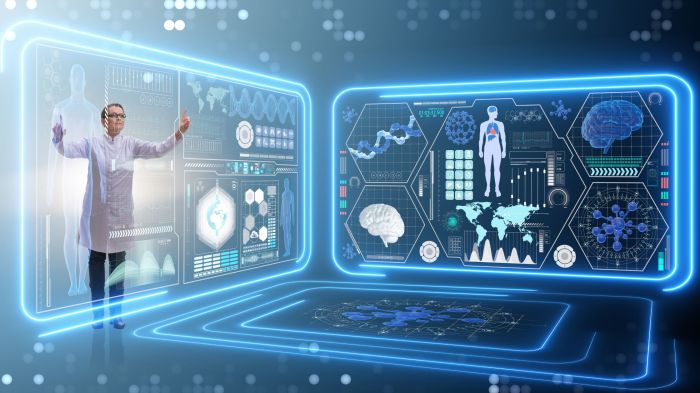
In the rapidly evolving landscape of healthcare, the role of Artificial Intelligence (AI) in health information systems is poised to witness groundbreaking advancements that will revolutionize patient care and outcomes. Let's delve into the future trends and innovative technologies that are shaping the future of AI in health information systems.
Advancements in Machine Learning Algorithms
AI-driven machine learning algorithms are expected to become more sophisticated and efficient in analyzing vast amounts of healthcare data. These advancements will enable AI systems to provide more accurate diagnoses, personalized treatment plans, and predictive insights for better patient care.
AI-Driven Diagnostics
The future of health information systems will see a significant shift towards AI-driven diagnostics, where machine learning models can detect patterns and anomalies in medical imaging, pathology reports, and genetic data. This will lead to earlier detection of diseases, more precise treatment recommendations, and improved clinical outcomes.
Virtual Health Assistants
Virtual health assistants powered by AI will play a crucial role in patient engagement, remote monitoring, and personalized healthcare delivery. These intelligent systems can provide real-time support, answer patient queries, and offer proactive health management tips to enhance patient experience and adherence to treatment plans.
Remote Monitoring Systems
The integration of AI into remote monitoring systems will enable continuous tracking of patient vital signs, medication adherence, and lifestyle habits. This real-time data analysis will facilitate early intervention, personalized interventions, and improved chronic disease management, ultimately leading to better health outcomes and reduced healthcare costs.
Potential Impact of AI on Health Information Systems
The seamless integration of AI technologies into health information systems holds the promise of improving clinical decision-making, enhancing operational efficiency, and transforming patient care delivery. By harnessing the power of AI, healthcare organizations can optimize resource allocation, streamline workflows, and ultimately improve patient outcomes through data-driven insights and predictive analytics.
Final Wrap-Up
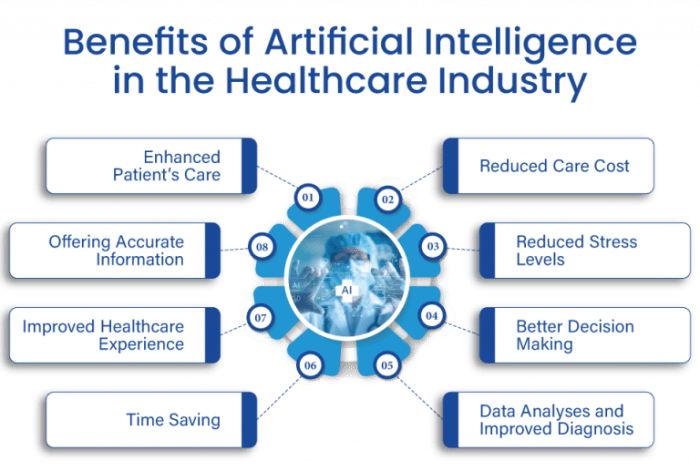
Concluding our discussion on The Role of AI in Modern Health Information Systems, it becomes evident that artificial intelligence is not just a tool but a driving force behind the evolution of healthcare. Embracing AI innovations is key to unlocking new possibilities in patient care, data management, and overall healthcare efficiency.
FAQ Corner
How has AI revolutionized healthcare information systems?
AI has transformed healthcare information systems by enabling advanced data analysis, predictive analytics, and personalized medicine, leading to more efficient and effective patient care.
What are the challenges faced in implementing AI in health information systems?
Challenges include concerns about data privacy, regulatory compliance, algorithm biases, and ethical considerations, which healthcare organizations strive to address.
What are the future trends in AI for health information systems?
The future holds advancements in machine learning algorithms, AI-driven diagnostics, virtual health assistants, and remote monitoring systems, all of which are poised to revolutionize healthcare delivery.