
As Top Rated Motion Sensors and Alarms for Smart Homes takes center stage, this opening passage beckons readers into a world crafted with good knowledge, ensuring a reading experience that is both absorbing and distinctly original. From exploring the top 5 motion sensors to delving into the key features and importance of integration with smart home systems, this guide promises a deep dive into the realm of home security technology.
Top Rated Motion Sensors and Alarms for Smart Homes
Motion sensors and alarms are essential components of a smart home security system. They help detect any unusual movements and trigger alarms to alert homeowners of potential threats. Here are the top 5 motion sensors and alarms for smart homes along with their key features:
1. Ring Alarm Motion Detector
The Ring Alarm Motion Detector is a wireless device that detects motion within a 90-degree field of view up to 30 feet away. It is pet-friendly and can be easily integrated with other Ring smart home devices.
2. Nest Secure Alarm System
The Nest Secure Alarm System includes motion sensors that can be placed on doors, windows, or walls to detect movement. It also features a built-in alarm with a loud siren to scare off intruders.
3. SimpliSafe Motion Sensor
The SimpliSafe Motion Sensor is designed to detect motion within a 30-foot range. It is easy to install and can be customized to ignore pets under a certain weight, reducing false alarms.
4. Arlo Pro 3 Security Camera
The Arlo Pro 3 Security Camera not only provides high-quality video monitoring but also includes a motion sensor with customizable detection zones. It can send instant alerts to your smartphone when motion is detected.
5. Philips Hue Motion Sensor
The Philips Hue Motion Sensor is not only a motion detector but also a smart lighting controller. It can trigger your Philips Hue smart lights to turn on or off based on motion, adding an extra layer of security to your home.Motion sensors and alarms enhance home security by providing real-time alerts and deterring potential intruders.
By integrating these devices with smart home systems, homeowners can remotely monitor their property and respond to security threats promptly. This seamless integration allows for a more comprehensive and efficient security setup for smart homes.
Types of Motion Sensors
Motion sensors are an essential component of smart home security systems, providing an extra layer of protection. There are various types of motion sensors available, each with its own unique features and applications.
Passive Infrared (PIR) vs. Microwave Motion Sensors
- Passive Infrared (PIR) sensors detect heat signatures and movement within their field of view. They are ideal for indoor use and are sensitive to changes in temperature caused by human or animal movement.
- Microwave sensors emit microwaves that bounce off objects to detect motion. They are suitable for outdoor use and can penetrate walls, making them more versatile than PIR sensors.
Ultrasonic vs. Vibration Motion Sensors
- Ultrasonic sensors emit high-frequency sound waves to detect motion. They are ideal for detecting movement in large areas and are not affected by temperature changes.
- Vibration sensors detect movement based on vibrations caused by physical contact. They are commonly used in windows and doors to detect unauthorized entry.
Dual Technology Motion Sensors
Dual technology motion sensors combine two different sensor technologies, such as PIR and microwave, to reduce false alarms and increase accuracy. These sensors require both technologies to be triggered before an alarm is activated, making them more reliable in detecting motion accurately.
Factors to Consider When Choosing Motion Sensors
When choosing motion sensors for your smart home, there are several key factors to consider to ensure optimal performance and functionality.
Range, Sensitivity, and Pet Immunity
- Range: Consider the area you want to cover with the motion sensor and choose one with the appropriate range to detect motion effectively.
- Sensitivity: Adjust the sensitivity of the motion sensor to avoid false alarms while still detecting any movement accurately.
- Pet Immunity: If you have pets at home, make sure to select a motion sensor with pet immunity feature to prevent your furry friends from triggering false alarms.
Power Source
- It is important to consider the power source for your motion sensors. Battery-operated sensors offer flexibility in installation, while hardwired sensors ensure continuous power supply without the need for battery replacements.
- Choose the power source that best suits your needs and preferences for maintenance and convenience.
Weather Resistance and Environmental Factors
- Ensure that the motion sensors you choose are weather-resistant, especially if you plan to install them outdoors or in areas exposed to the elements.
- Consider environmental factors such as temperature fluctuations, humidity, and other conditions that may affect sensor performance and durability.
- Opt for motion sensors that are designed to withstand various environmental challenges to ensure reliable operation over time.
Installation and Placement Tips
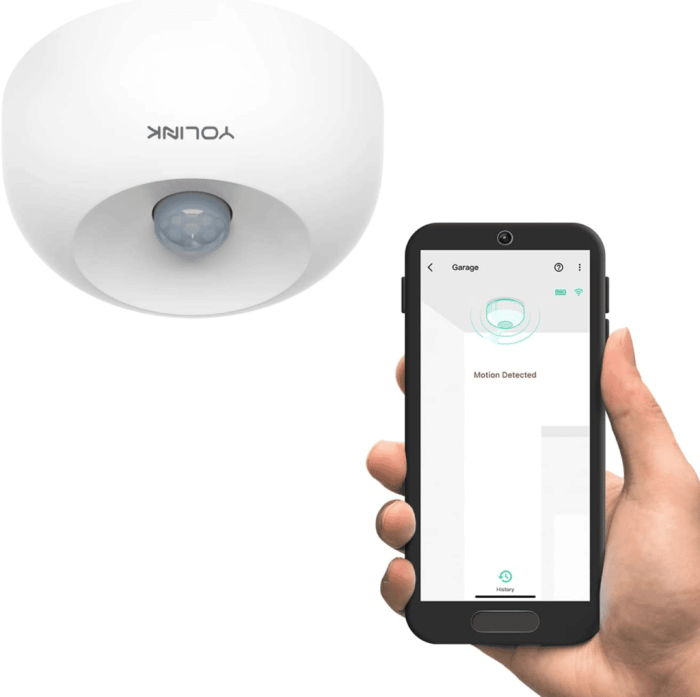
When it comes to installing and placing motion sensors in your smart home, there are a few key considerations to keep in mind to ensure optimal functionality and security.
Step-by-Step Guide for Installing Motion Sensors
- Start by choosing the right location for your motion sensor, keeping in mind the range and coverage area.
- Follow the manufacturer's instructions for mounting the sensor securely on a wall or ceiling.
- Make sure the sensor is positioned away from any heat sources or direct sunlight to avoid false alarms.
- Connect the sensor to your smart home system according to the provided guidelines.
- Test the sensor to ensure it is detecting motion accurately before finalizing the installation.
Optimal Height and Angle for Mounting Motion Sensors
- For indoor motion sensors, a height of 6-7 feet above the ground is generally recommended to cover a wide area without being triggered by pets.
- Outdoor motion sensors should be mounted at a height of 8-10 feet to prevent tampering and ensure a broader field of view.
- Angle the sensor downwards slightly to avoid detecting unnecessary movement above the intended area.
Tips for Avoiding False Alarms
- Avoid placing motion sensors near windows or vents that could cause fluctuations in temperature and trigger false alarms.
- Adjust the sensitivity settings of the sensor to suit your specific needs and environment.
- Consider using multiple sensors in different areas to reduce the chances of false alarms and improve overall security coverage.
Integration with Smart Home Systems
Motion sensors can be seamlessly integrated with smart hubs like Alexa or Google Home, allowing for a more interconnected and automated smart home experience. By linking motion sensors with other smart home devices, users can create a more efficient and convenient living environment.
Benefits of Linking Motion Sensors with Other Smart Home Devices
- Enhanced security: Motion sensors can trigger alarms, lights, or cameras when unexpected movement is detected, improving home security.
- Energy efficiency: By linking motion sensors with smart lights or thermostats, lights and heating/cooling systems can be automatically adjusted based on occupancy, saving energy.
- Convenience: Automation routines can be set up to turn on lights when motion is detected in certain areas, or to adjust settings based on the time of day or occupancy.
- Peace of mind: With motion sensors integrated into a smart home system, users can receive alerts or notifications when motion is detected, providing peace of mind when away from home.
Examples of Automation Routines Using Motion Sensors
- Automatically turning on lights when motion is detected in the hallway or entryway.
- Adjusting the thermostat to a comfortable temperature when motion is detected in the living room.
- Triggering a security camera to record when motion is detected outside the front door.
- Sending a notification to your smartphone when motion is detected in a specific area of the house.
Last Word
In conclusion, understanding the nuances of motion sensors and alarms for smart homes is crucial in safeguarding your living space. From installation tips to integration with smart home systems, this guide has equipped you with the knowledge needed to make informed decisions.
Stay vigilant, stay secure, and embrace the power of technology in protecting what matters most.
FAQ Section
What is the difference between passive infrared (PIR) and microwave motion sensors?
Passive infrared sensors detect heat and movement, while microwave sensors emit microwaves and measure their reflection off moving objects.
Why is considering the power source important when choosing motion sensors?
The power source determines the reliability and longevity of the sensors, impacting their performance and maintenance requirements.
How can motion sensors be integrated with smart hubs like Alexa or Google Home?
Motion sensors can be connected to these smart hubs through compatible apps or devices, allowing for centralized control and automation.