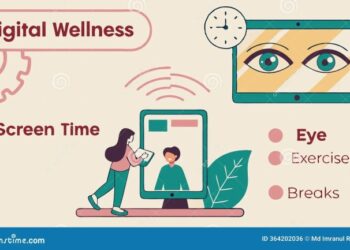
Embark on a journey towards a healthier digital lifestyle with Digital Wellness Habits for a Healthier Digilife. In today's fast-paced digital world, it's crucial to understand how our online habits impact our well-being. This guide will explore the importance of digital wellness and provide practical tips to help you create a more balanced relationship with technology.
As we delve deeper into the realm of digital wellness, you'll discover strategies to manage screen time effectively, establish boundaries with digital devices, and cultivate a healthy digital environment for improved mental clarity.
Understanding Digital Wellness Habits
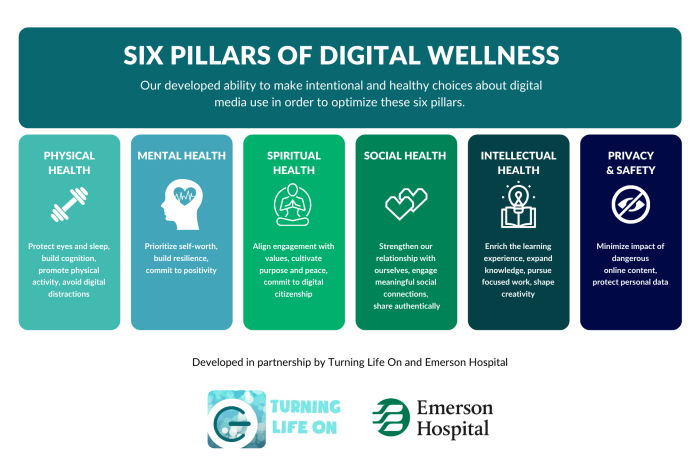
Digital wellness habits refer to the practices and behaviors that individuals adopt to maintain a healthy balance in their use of technology and digital devices.
In today's digital age, where technology is an integral part of our daily lives, practicing digital wellness is crucial to ensure our overall well-being. Excessive screen time, constant connectivity, and information overload can have negative impacts on our mental, emotional, and physical health.
Examples of Digital Wellness Habits
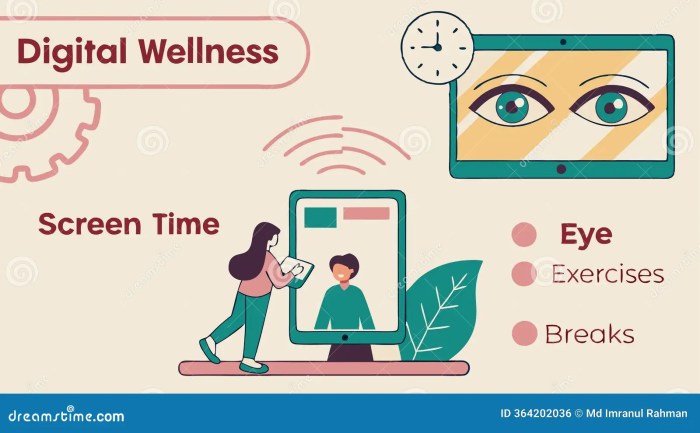
- Setting boundaries for screen time and taking regular breaks from digital devices to reduce eye strain and prevent technology addiction.
- Practicing mindfulness and being present in the moment instead of constantly checking notifications or social media updates.
- Engaging in physical activities and hobbies that do not involve screens to maintain a healthy lifestyle and reduce sedentary behavior.
- Establishing a digital detox routine by unplugging from technology for a certain period each day or week to recharge and rejuvenate.
- Prioritizing real-life connections and face-to-face interactions over virtual communication to foster meaningful relationships and social connections.
Implementing Digital Wellness Strategies
Integrating digital wellness habits into our daily routines is essential for maintaining a healthy balance in our digital lives. By setting boundaries with our devices and managing screen time effectively, we can improve our overall well-being.
Setting Boundaries with Digital Devices
Establishing boundaries with digital devices can help reduce stress and improve focus. Here are some practical tips for setting boundaries:
- Avoid using devices during meal times or before bed to promote better sleep.
- Designate device-free zones in your home, such as the bedroom or dining area, to encourage face-to-face interactions.
- Turn off notifications or set specific times for checking emails and social media to reduce distractions.
Managing Screen Time Effectively
Managing screen time effectively is crucial for digital wellness. Here are some strategies to help you balance your digital consumption:
- Set limits on daily screen time and use apps or tools to track your usage.
- Take regular breaks from screens by practicing the 20-20-20 rule: every 20 minutes, look at something 20 feet away for 20 seconds.
- Engage in offline activities like exercise, reading, or spending time outdoors to reduce screen time and promote overall well-being.
Creating a Healthy Digital Environment
Creating a healthy digital environment is essential for promoting overall well-being in today's technology-driven world. A cluttered digital space can have a negative impact on mental health, leading to increased stress and decreased productivity
Impact of a Cluttered Digital Space
A cluttered digital space can overwhelm the mind and create a sense of chaos and disorganization. When digital files are scattered and unorganized, it can be challenging to find important information quickly, leading to frustration and anxiety. This can have a significant impact on mental well-being, causing increased stress levels and decreased focus and productivity.
- Difficulty in finding important files when needed
- Increased feelings of overwhelm and anxiety
- Reduced ability to focus and concentrate on tasks
Tips for Organizing Digital Files
Organizing digital files is crucial for maintaining a healthy digital environment. By following these tips, individuals can reduce digital clutter and create a more streamlined and efficient digital space:
- Start by decluttering and deleting unnecessary files
- Create a system of folders and subfolders to categorize files
- Use descriptive file names to easily identify the content
- Regularly back up important files to prevent data loss
- Utilize cloud storage or external hard drives for extra storage space
Balancing Work and Personal Life Digitally
Maintaining a healthy work-life balance in a digital world is crucial for overall well-being. As technology blurs the lines between work and personal life, it becomes essential to set boundaries to prevent burnout and maintain mental health.
Setting Boundaries
- Avoid checking work emails or messages outside of designated work hours.
- Communicate clear boundaries with colleagues and supervisors regarding availability after work hours.
- Designate specific areas in your home for work and personal activities to create a physical boundary.
Disconnecting from Work
- Turn off notifications from work-related apps during non-work hours to reduce distractions.
- Engage in activities that help you unwind and shift your focus away from work, such as exercise, hobbies, or spending time with loved ones.
- Set aside dedicated time each day to disconnect from digital devices completely and focus on relaxation.
Final Thoughts
In conclusion, embracing digital wellness habits is key to achieving a harmonious blend of work and personal life in the digital age. By implementing the strategies Artikeld in this guide, you can navigate the digital landscape with mindfulness and intention, leading to a healthier and more fulfilling Digilife.
Key Questions Answered
How can I effectively manage my screen time?
To manage screen time effectively, try setting specific time limits for different activities on your devices and take regular breaks to reduce eye strain and mental fatigue.
Why is it important to create a healthy digital environment?
Cultivating a healthy digital environment can positively impact your mental well-being by reducing digital clutter, promoting organization, and creating a space for focused work and relaxation.
What are some practical tips for maintaining a work-life balance in a digital world?
To maintain a work-life balance, designate specific hours for work and personal activities, set boundaries with work-related digital notifications, and prioritize self-care and disconnecting from digital devices outside of work hours.