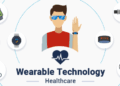
In today's fast-paced world, wearable technology is playing a crucial role in revolutionizing healthcare delivery. From monitoring vital signs to managing chronic diseases, wearable devices are transforming the way healthcare is being provided. Let's delve into the impact and significance of wearable tech in improving patient care and enhancing the overall healthcare experience.
As we explore the different facets of wearable tech in healthcare, we uncover the innovative ways in which these devices are reshaping the industry and paving the path for a more connected and efficient healthcare system.
Importance of Wearable Tech in Healthcare

Wearable technology has played a significant role in revolutionizing healthcare delivery by providing continuous monitoring and real-time data tracking. These devices have transformed the way healthcare professionals interact with patients and manage chronic conditions, leading to improved outcomes and increased patient engagement.
Examples of Wearable Devices in Healthcare Settings
- Fitbit: A popular wearable device that tracks physical activity, heart rate, and sleep patterns, providing valuable data for both patients and healthcare providers.
- Apple Watch: With features like ECG monitoring and fall detection, the Apple Watch has become a valuable tool in detecting irregular heart rhythms and potential emergencies.
- Continuous Glucose Monitors: Devices like Dexcom G6 have revolutionized diabetes management by providing real-time glucose readings, reducing the need for frequent finger pricks.
Benefits of Wearable Tech in Monitoring Patient Health Remotely
- Real-time Data: Wearable devices enable continuous monitoring of vital signs and health metrics, allowing healthcare providers to detect issues early and make timely interventions.
- Improved Patient Engagement: By empowering patients to track their own health data, wearable devices promote self-management and active participation in healthcare decisions.
- Remote Patient Monitoring: With wearable tech, healthcare providers can monitor patients remotely, reducing the need for frequent in-person visits and enabling more personalized care plans.
Impact of Wearable Tech on Patient Care
Wearable technology has significantly transformed patient care by providing real-time data and insights, leading to improved outcomes and enhanced engagement.
Improved Patient Outcomes
- Wearable devices enable continuous monitoring of vital signs, allowing healthcare providers to detect any changes or abnormalities promptly.
- Patients can actively track their health metrics, leading to better self-management of chronic conditions and early intervention when necessary.
- Remote patient monitoring through wearables helps in preventing hospital readmissions and complications by monitoring patients post-discharge.
Comparison with Traditional Healthcare Delivery
- In traditional healthcare settings, patients often only receive care during scheduled appointments, while wearables provide continuous monitoring and personalized feedback.
- Wearable technology allows for proactive and preventive care, unlike reactive treatment in traditional healthcare, leading to better disease management.
- Patient data collected through wearables offers a more comprehensive view of the individual's health, aiding in more accurate diagnoses and treatment plans.
Enhanced Patient Engagement and Compliance
- Wearable devices encourage patients to take an active role in their health by providing real-time feedback on their progress, motivating them to adhere to treatment plans.
- Patient engagement is increased through interactive features of wearables, such as reminders for medication, exercise, and appointments, improving compliance rates.
- Health apps integrated with wearables allow patients to set goals, track their progress, and share data with healthcare providers, fostering a collaborative approach to care.
Wearable Devices Monitoring Vital Signs
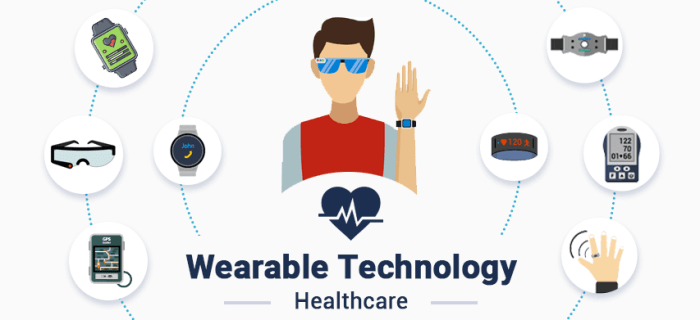
Wearable devices have revolutionized healthcare by enabling the tracking of vital signs such as heart rate, blood pressure, and oxygen levels in real-time. This continuous monitoring provides valuable data for healthcare professionals to assess patients' health status and make informed decisions.
Importance of Real-Time Data Monitoring
Real-time monitoring of vital signs allows healthcare professionals to detect any abnormalities or changes in a patient's condition promptly. This proactive approach enables early intervention, potentially preventing serious complications or emergencies. By having access to real-time data, healthcare providers can personalize treatment plans and adjust medications based on individual needs.
- Apple Watch: Apple's smartwatch is equipped with sensors that monitor heart rate and can detect irregular rhythms.
- Fitbit: Fitbit devices track heart rate, sleep patterns, and activity levels to provide insights into overall health and wellness.
- Garmin: Garmin wearables offer features like stress tracking, body battery energy monitoring, and Pulse Ox to measure blood oxygen saturation levels.
Wearable Tech for Chronic Disease Management
Wearable technology plays a crucial role in managing chronic conditions such as diabetes, hypertension, and asthma by providing continuous monitoring and valuable data insights. These devices have revolutionized the way patients and healthcare professionals approach disease management, leading to improved outcomes and better quality of life.
Impact of Wearable Devices on Disease Management and Lifestyle Changes
- Wearable devices allow patients to track their vital signs, medication adherence, and activity levels in real-time, providing a comprehensive view of their health status.
- By monitoring key metrics like blood glucose levels, blood pressure, and respiratory patterns, individuals with chronic diseases can make informed decisions about their treatment plans and lifestyle choices.
- The data collected by wearable devices enable healthcare providers to personalize care interventions, optimize medication regimens, and offer timely support to patients, leading to better disease management outcomes.
Promotion of Proactive Health Monitoring for Chronic Illnesses
- Wearable technology empowers individuals with chronic illnesses to take control of their health by fostering proactive monitoring and early intervention strategies.
- Patients can set personalized health goals, receive real-time feedback on their progress, and engage in self-management practices to prevent disease complications and enhance their well-being.
- The continuous monitoring capabilities of wearable devices enable individuals to detect subtle changes in their health status, prompting timely medical consultations and adjustments to their treatment plans.
Wearable Devices and Telemedicine
Wearable devices play a crucial role in integrating with telemedicine to enable remote consultations, expanding access to healthcare services, and enhancing patient outcomes.
Integration of Wearable Devices with Telemedicine
Telemedicine involves using telecommunications technology to provide healthcare services remotely. Wearable devices, such as smartwatches and fitness trackers, collect real-time data on vital signs, activity levels, and other health metrics. This data can be transmitted to healthcare providers during telemedicine consultations, allowing for more informed decision-making without the need for in-person visits.
Expanding Access to Healthcare Services
By leveraging wearable devices in conjunction with telemedicine, individuals in remote areas or those with limited mobility can access healthcare services more easily. Patients can receive timely medical advice, monitoring, and interventions from healthcare professionals regardless of their geographical location, leading to improved health outcomes and reduced healthcare disparities.
Enhancing Telemedicine Outcomes with Wearable Devices
Wearable devices have the potential to improve the effectiveness of telemedicine by providing continuous monitoring of patients' health parameters. For example, wearable ECG monitors can detect irregular heart rhythms remotely, allowing for early intervention and prevention of cardiac events. Similarly, wearable glucose monitors can help manage diabetes by tracking blood sugar levels in real-time, enabling healthcare providers to adjust treatment plans accordingly.
Data Security and Privacy Concerns
As wearable technology continues to advance in healthcare, data security and privacy concerns become increasingly important. Ensuring the protection of sensitive patient information is crucial to maintain trust in these devices and technologies.
Key Challenges in Data Security and Privacy
- Unauthorized Access: Hackers targeting wearable devices to gain access to personal health data.
- Data Breaches: Potential breaches of data stored in wearable devices or transmitted to other systems.
- Lack of Regulation: The absence of strict regulations governing data security in wearable technology.
Importance of Secure Data Transmission and Storage
Wearable devices collect and transmit sensitive health data, making secure data transmission and storage essential to protect patient privacy. Secure encryption protocols and robust authentication mechanisms are necessary to prevent unauthorized access to this data.
Strategies to Address Data Security Issues
- Implement Strong Encryption: Utilize encryption algorithms to secure data both during transmission and storage.
- Regular Security Audits: Conduct routine security audits to identify vulnerabilities and address them promptly.
- User Authentication: Require strong authentication methods such as biometrics or two-factor authentication to access wearable device data.
- Data Minimization: Collect only essential data to minimize the risk in case of a breach.
- Compliance with Regulations: Adhere to data security regulations and standards to ensure legal compliance and protect patient information.
Closure
As we conclude our discussion on How Wearable Tech Is Revolutionizing Healthcare Delivery, it is evident that the integration of wearable devices is not just a trend but a significant advancement in the healthcare sector. With the potential to improve patient outcomes, enhance remote monitoring, and facilitate proactive disease management, wearable tech is truly revolutionizing the way healthcare is delivered.
Essential Questionnaire
How can wearable tech benefit healthcare delivery?
Wearable tech can improve patient outcomes, enhance remote monitoring, and promote proactive health monitoring for chronic illnesses.
What are some examples of wearable devices used in healthcare settings?
Examples include smartwatches, fitness trackers, and medical alert systems.
What role does wearable tech play in telemedicine?
Wearable devices integrate with telemedicine for remote consultations and expand access to healthcare services.
How does wearable tech address data security and privacy concerns?
Secure data transmission and storage are essential for wearable devices to protect patient information.