Exploring the top certifications in Health Information Management for 2025 opens up a world of possibilities for professionals in the healthcare industry. This guide aims to shed light on the certifications that will shape the future of this field, providing valuable insights for those looking to enhance their expertise and career prospects.
Overview of Health Information Management Certifications
Health Information Management (HIM) certifications play a crucial role in the healthcare industry, ensuring professionals have the necessary skills and knowledge to manage health information effectively. Here are some of the top certifications in HIM:
AHIMA Certified Coding Specialist (CCS)
The CCS certification demonstrates proficiency in coding and classification systems used in healthcare facilities. It is essential for professionals involved in medical coding and billing.
Registered Health Information Technician (RHIT)
RHIT certification validates expertise in managing health information and medical records. Professionals with this certification are well-equipped to ensure data accuracy, security, and accessibility.
Certified Health Data Analyst (CHDA)
CHDA certification focuses on data analysis and interpretation in healthcare settings. It equips professionals with the skills to transform health data into meaningful insights for decision-making.
Certified Professional in Healthcare Information and Management Systems (CPHIMS)
CPHIMS certification is designed for professionals involved in healthcare information technology management. It demonstrates competency in implementing and managing information systems in healthcare organizations.
Importance of Certifications in Health Information Management
- Certifications validate expertise and credibility in the field.
- Employers often prefer hiring certified professionals for their specialized skills.
- Certifications demonstrate commitment to ongoing professional development.
Typical Requirements for Obtaining HIM Certifications
Most HIM certifications require candidates to have completed an accredited HIM program and pass a certification exam. Some certifications may also have experience or continuing education requirements.
Emerging Certifications for 2025

In the rapidly evolving field of Health Information Management, new certifications are constantly being developed to meet the changing needs of the industry. By 2025, several emerging certifications are expected to gain popularity and significance.
Telehealth Certification
With the increasing adoption of telehealth services, a Telehealth Certification is anticipated to become a sought-after credential for Health Information Management professionals. This certification will focus on managing electronic health records in a virtual care setting and ensuring compliance with telehealth regulations.
Data Analytics in Healthcare Certification
As data analytics plays a crucial role in shaping healthcare decisions, a certification specifically tailored to data analytics in healthcare is likely to emerge. This certification will equip professionals with the skills to analyze and interpret complex healthcare data to improve patient outcomes and operational efficiency.
Cybersecurity in Healthcare Certification
Given the growing concerns around data security and privacy in healthcare, a Cybersecurity in Healthcare Certification is expected to address the unique cybersecurity challenges faced by healthcare organizations. This certification will focus on safeguarding patient information and securing healthcare systems from cyber threats.
Accrediting Bodies
Accrediting bodies play a crucial role in ensuring the quality of education and training in Health Information Management programs. These organizations are responsible for setting standards and evaluating programs to ensure they meet the requirements for certification
Main Accrediting Bodies
- The Commission on Accreditation for Health Informatics and Information Management Education (CAHIIM): CAHIIM is a recognized accrediting body specifically for Health Information Management programs. They ensure that programs meet the necessary standards for quality education and training.
- The American Health Information Management Association (AHIMA): AHIMA is a professional association that also plays a role in accrediting Health Information Management programs. They work closely with CAHIIM to establish and maintain accreditation standards.
Role of Accrediting Bodies
Accrediting bodies are essential in maintaining the quality and integrity of Health Information Management programs. They ensure that students receive education that meets industry standards and prepares them for successful careers in the field.
Upcoming Trends in Accreditation Standards
- Increased focus on technology integration: With the rapid advancement of technology in healthcare, accrediting bodies are likely to emphasize the integration of technology into Health Information Management programs to ensure graduates are equipped with the latest skills.
- Emphasis on data security and privacy: As data security becomes a top priority in healthcare, accreditation standards may include a stronger focus on teaching students about data protection, privacy laws, and cybersecurity measures.
Specializations within Health Information Management
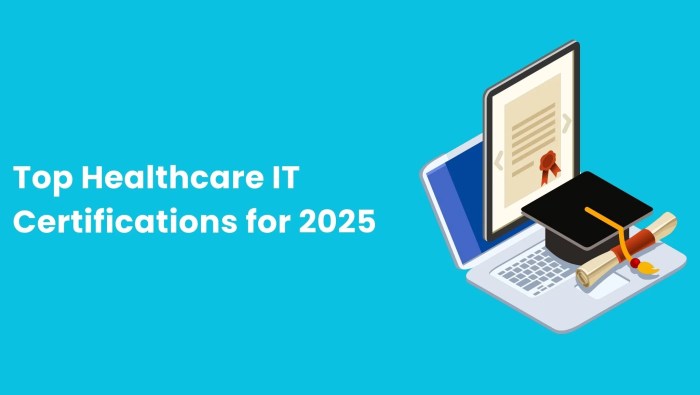
Health Information Management offers various specialized areas that professionals can pursue certifications in to enhance their skills and expertise.
Clinical Documentation Improvement (CDI)
Clinical Documentation Improvement focuses on ensuring accurate and complete medical documentation for patient care. Professionals in this field review medical records to ensure proper coding and billing, leading to improved patient outcomes and financial reimbursement.
Health Data Analytics
Health Data Analytics involves the analysis of healthcare data to improve patient care, operational efficiency, and decision-making. Professionals in this field utilize data to identify trends, patterns, and insights that drive strategic initiatives within healthcare organizations.
Health Information Exchange (HIE)
Health Information Exchange focuses on the seamless electronic sharing of patient information between healthcare providers. Certified professionals in HIE play a crucial role in enhancing care coordination, patient safety, and interoperability among different healthcare systems.
Health Informatics
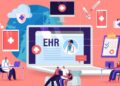
Health Informatics combines healthcare knowledge with information technology to optimize the use of electronic health records and other health IT systems. Certified professionals in Health Informatics work on designing, implementing, and managing digital health solutions to improve healthcare delivery.
Epilogue
In conclusion, the landscape of Health Information Management certifications is evolving rapidly, offering exciting opportunities for growth and specialization. Stay informed and proactive in pursuing these certifications to stay ahead in your career.
FAQ
What are the typical requirements for obtaining Health Information Management certifications?
Typical requirements include a relevant educational background, passing certification exams, and meeting experience criteria.
What is the potential impact of emerging certifications on the industry?
Emerging certifications can introduce new skills and knowledge areas, shaping the future of Health Information Management practices.
How do specialized certifications within Health Information Management benefit professionals?
Specialized certifications can lead to enhanced job prospects, career advancement, and increased expertise in niche areas of the field.